
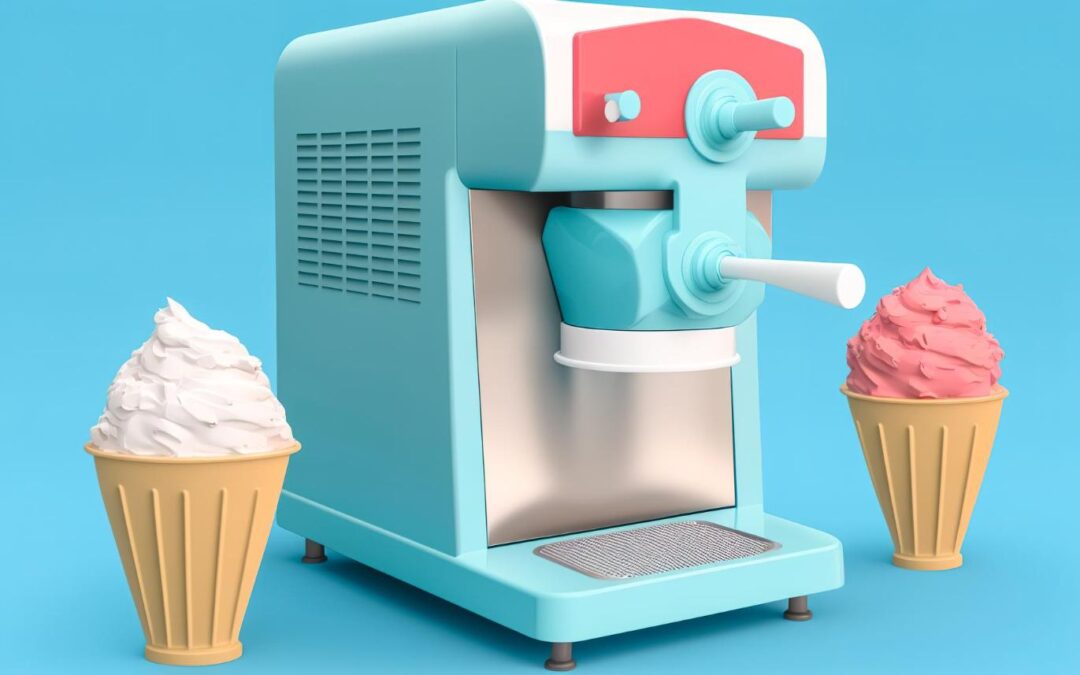
Investing in ice cream machines is more than just a purchase—it’s a strategic decision that can impact your product quality, operational efficiency, and profit margins. Whether you’re launching a gelateria, expanding your dessert range, or scaling a food production facility, selecting the right machine involves more than comparing price tags.
This checklist breaks down the essential factors to consider before making your purchase.
1. Define Your Output Requirements
Start with clarity on your intended volume. Are you serving soft-serve to walk-in customers, or producing tubs for wholesale distribution? Batch-freezers suit high-end, artisanal products in lower volumes, while continuous freezers handle commercial-scale production. Overspending on capacity you don’t use, or underestimating demand, can both compromise profitability.
2. Know Your Product Type
Different machines cater to different textures and recipes. Decide whether you’ll be producing traditional gelato, American-style soft serve, frozen yoghurt, or sorbet. Texture requirements and overrun (air incorporation) levels vary between these. Machines optimised for soft serve won’t deliver the dense mouthfeel needed for gelato and vice versa.
3. Check Power, Space, and Ventilation
Many machines require dedicated three-phase electrical connections and stable power. If you’re based in a region with voltage fluctuations or load-shedding (as is common in parts of South Africa), consider units with built-in voltage stabilisers or generator compatibility. Also assess physical footprint; compact countertop models save space but may sacrifice output capacity or control.
4. Evaluate Automation vs Control
Fully automatic machines simplify operations, which is helpful in high-turnover environments. However, they often limit customisation. Semi-automatic or manual models provide greater flexibility in controlling churn rate, freezing time, and overrun, ideal if your brand relies on signature textures or experimental flavours. Choose based on your labour skillset and production philosophy.
5. Prioritise Ease of Cleaning and Compliance
Food safety regulations demand rigorous hygiene. Look for stainless steel construction, smooth internal surfaces, and removable parts for cleaning. Machines with automatic pasteurisation cycles or CIP (Clean-In-Place) systems reduce cleaning time and risk of contamination, especially useful in busy kitchens with multiple shifts.
6. After-Sales Support and Spare Parts Availability
Imported machines often come with long lead times for parts. Choose a brand with local technical support and parts inventory. Downtime during peak summer months can lead to significant revenue loss, so confirm service SLAs and technician availability before committing.
The best ice cream machines are long-term assets that directly affect your output quality and operational resilience. A well-considered purchase supports efficiency, brand integrity, and product consistency, whether you’re scooping cones on the beachfront or distributing nationwide. Use this checklist to align your investment with your business model, not just your budget.