
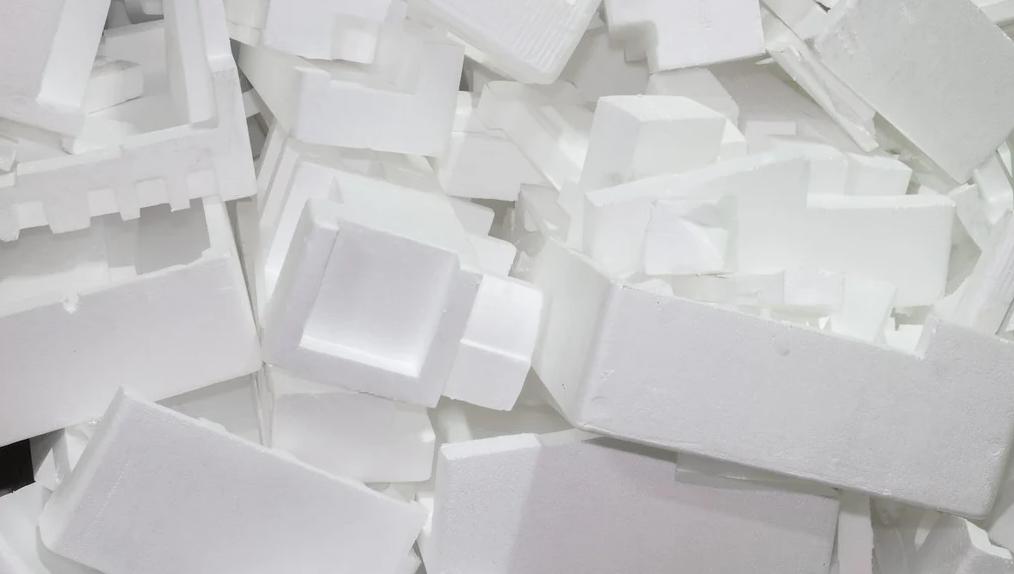
In the increasingly eco-conscious world we live in, expanded polystyrene recycling remains a hot topic filled with misconceptions and underutilized potential. Often mistaken for being unrecyclable, expanded polystyrene, commonly known by its brand name Styrofoam™, can indeed embark on a new life post-consumption. This blog post will demystify the process and requirements of expanded polystyrene foam recycling and provide clarity on what items can be given a second chance. Industry experts and environmental organizations have been grappling with the challenges and triumphs of recycling this material, and their insights will pave the way for a deeper understanding and stronger adoption of sustainable practices.
Understanding Expanded Polystyrene
Before diving into the intricacies of recycling, it’s important to recognize what expanded polystyrene (EPS) is. This lightweight, foam-like material boasts remarkable insulation properties and supreme cushioning, making it a go-to choice for packaging goods, constructing insulation panels, and crafting disposable food containers.
The Realities of Recycling EPS
Despite its wide usage, expanded polystyrene foam recycling is not as straightforward as other materials. The process involves sorting, cleaning, and compacting the EPS into denser blocks, which can then be reshaped into new products. However, contamination and logistical hurdles, such as collection and transportation, often impede the recycling process.
What Can Be Recycled
- Clean and dry packaging foam: Free from stickers, labels, and adhesives.
- Protective EPS blocks: Often found cushioning electronics and appliances.
- Foam food service products: Must be rinsed free of food residue and oils.
- EPS insulation sheets: Used in construction, uncontaminated by glues or other materials.
What Cannot Be Recycled
- Food-contaminated EPS: Such as pizza boxes stained with grease.
- Glued EPS products: The adhesive materials compromise the recycling process.
- Mixed-material packaging: EPS bonded with cardboard or metals.
- Medical waste EPS: For safety and health regulations.
The Importance of Clean Recycling Streams
For expanded polystyrene recycling to be successful, contamination must be minimal. A clean stream ensures that the recycled material is of high quality, thereby making it valuable for manufacturers. Not only does it support a circular economy but it also reduces the demands on natural resources and minimizes landfill waste.
Case Studies That Inspire Change
Several municipalities and companies have showcased successful expanded polystyrene foam recycling initiatives. For instance, cities like San Francisco and organizations including Dart Container Corporation have implemented comprehensive programs that capture and recycle EPS effectively, demonstrating that with proper systems in place, the recycling of this material is not only possible but beneficial.
The Path Forward
The journey of making expanded polystyrene widely recyclable is ongoing. Advocacy for better recycling facilities, public education on proper disposal, and innovations in recycling technology are essential. Industry stakeholders and consumers alike play critical roles in nurturing the life cycle of EPS and contributing towards a sustainable environment.
In conclusion, expanded polystyrene recycling is laden with challenges but also ripe with opportunities. Through collaborative efforts to improve recycling practices and public awareness, EPS can be kept out of landfills and in the production loop, aligning our material use with the principles of sustainability.