
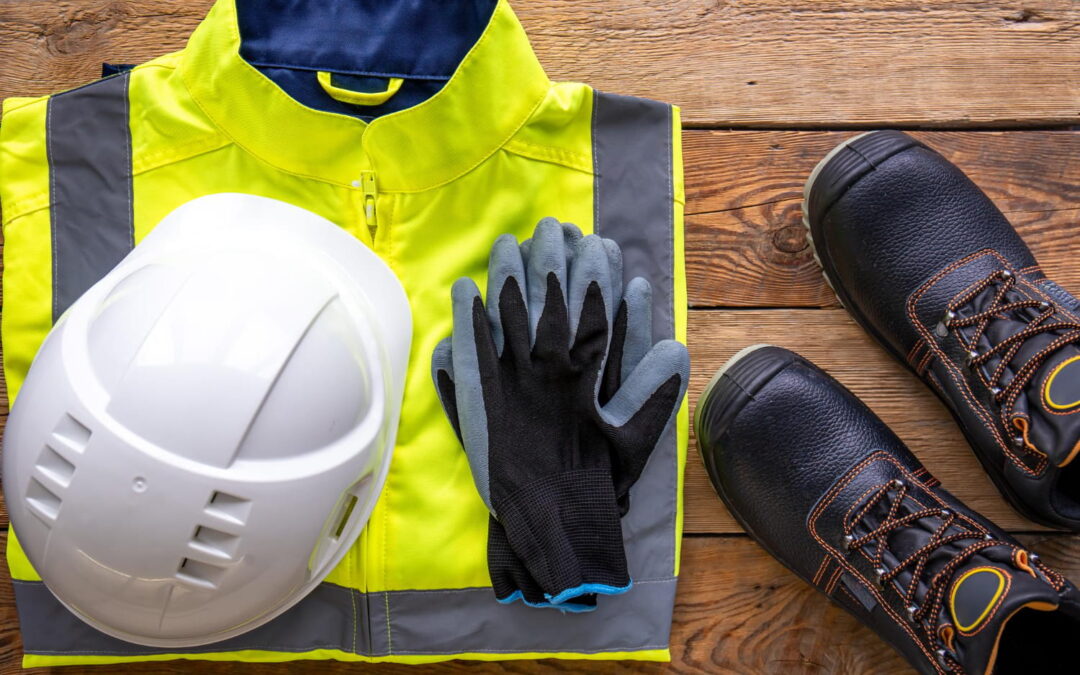
In any industrial environment, from bustling construction sites to busy manufacturing floors, the priority should always be the well-being of the workforce. Accidents do not run on a schedule; they occur when least expected, often with devastating consequences. While administrative controls and safety training are vital, the physical barrier between a worker and a potential hazard is often the most critical component of workplace safety. This is where high-quality personal protective equipment becomes indispensable.
It is easy to view safety gear as merely a requirement to satisfy legal compliance or a checklist item for inspectors. However, viewing it through this lens misses the bigger picture. Safety gear is an investment in human life and operational efficiency. When employees feel safe, their confidence rises, and productivity naturally follows.
The Last Line of Defense
In the hierarchy of hazard controls, safety gear is known as the “last line of defense.” Ideally, you want to remove the hazard entirely, but in many industries, risks are inherent to the job. You cannot remove heavy machinery from a factory or stop bricks from being heavy on a construction site.
Therefore, the gear must work perfectly every time.
- Head Protection: Safety helmets are crucial for protecting against falling objects or accidental head bumps in tight spaces.
- Foot Protection: Safety shoes with steel toes prevent crushing injuries from heavy lifting or dropped tools.
- Hand and Eye Protection: Gloves and safety goggles protect against cuts, burns, chemical splashes, and flying debris.
Comfort Equals Compliance
One of the biggest challenges safety managers face is getting employees to actually wear their gear. The solution often lies in the quality of the equipment chosen. If a safety shoe causes blisters, or if a helmet is too heavy and causes neck strain, a worker is likely to take it off the moment the supervisor looks away.
Sourcing equipment from reputable suppliers ensures that the gear is not only durable but also ergonomic. Modern safety equipment is designed with the user’s comfort in mind, utilizing breathable materials and lightweight designs without compromising on protection standards. When the gear is comfortable, compliance rates go up, and accident rates go down.
The Cost of Cutting Corners
There is a temptation for some businesses to opt for the cheapest available options to save on overheads. However, the cost of an injury, ranging from medical expenses and legal fees to the loss of a skilled worker and decreased team morale, far outweighs the price of quality equipment.
Conclusion
Creating a safe work environment is a continuous process. It requires vigilance, training, and the right tools for the job. By prioritizing top-tier safety equipment, businesses send a clear message to their employees: your life matters.
Whether it is a high-visibility vest for a road worker or specialized respiratory protection for a chemical handler, the right gear is the foundation of a safety-first culture. Ensure your team is protected by the best, because everyone deserves to go home safe at the end of the day.