
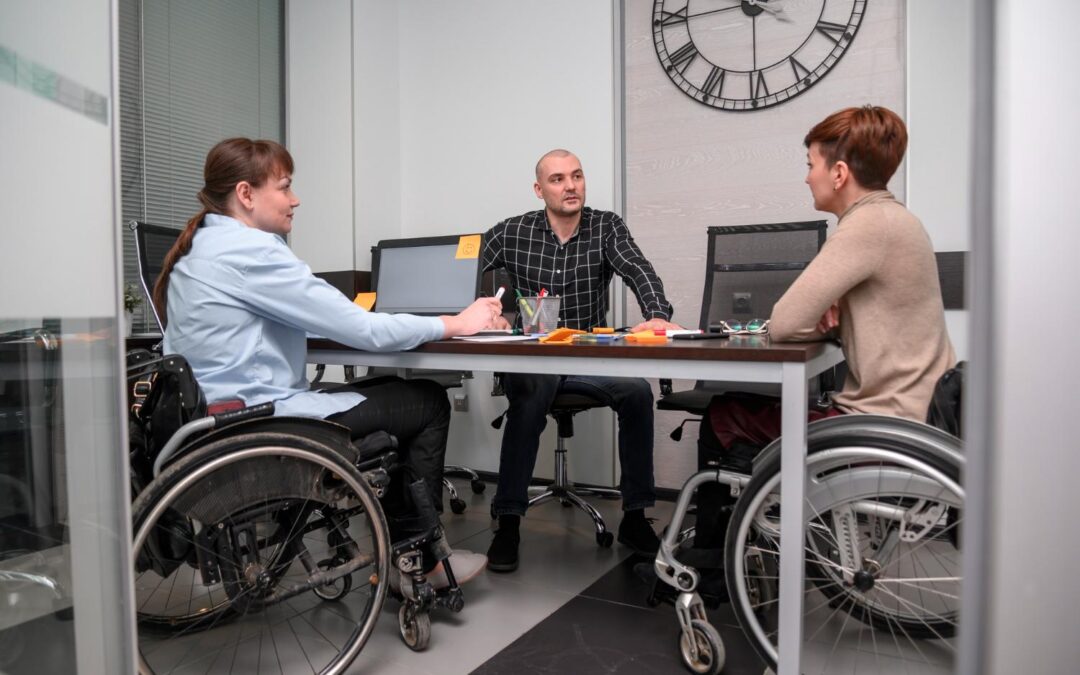
You know, there’s something raw and grounding about being in disability support services. It’s not glamorous. You’re not getting TikTok fame or corner offices. But what you are getting is something different — the kind of purpose that hits deep, like when a client finally trusts you enough to ask for help instead of pretending they’re fine. That’s the real win.
And here’s the thing: whether you’re knee-deep in healthcare work or supporting people with disabilities, the heart of it is the same — it’s all about people.
The Realities Nobody Mentions in the Brochures
Let’s be honest: this line of work isn’t all “making a difference” smiles and inspirational quotes. Sometimes it’s messy, loud, unpredictable — and weirdly beautiful all at once.
In disability support services, you might spend one minute helping someone master a new daily task and the next trying to defuse an emotional spiral that comes out of nowhere. In healthcare work, it’s long shifts, alarms going off, paperwork that never ends, and the constant juggle of doing ten things at once.
But hidden in all that chaos are the quiet victories — the small “thank yous,” the improved mobility, the calm after a tough day. These are the moments that make you realize why you’re still doing it.
When Compassion Becomes a Skill (Not Just a Feeling)
People like to say “you must be so compassionate to do this work,” as if it’s something you’re born with. Truth is, compassion becomes a skill you build. You learn to stay kind even when you’re tired, to listen when you want to fix things, and to show patience when everything feels urgent.
Both healthcare work and disability support services teach you that real care isn’t just about medicine or programs — it’s about connection. You start to notice the small stuff: tone of voice, body language, the way someone’s mood shifts before their words do.
That’s where the magic is. Not in grand gestures, but in the consistency — the showing up, again and again.
The Balancing Act: Helping Others Without Losing Yourself
Burnout is real. Whether you’re in healthcare work or community care, it’s easy to pour out so much of yourself that there’s nothing left. I’ve seen amazing carers hit a wall because they forgot that they, too, need support.
So, a few reminders:
- Take the break, even if it feels “selfish.” It’s not.
- Vent to people who get it. You’re not weak for needing to talk.
- Remember that “good enough” is often enough. Perfection doesn’t exist here.
If you don’t protect your energy, you can’t give the best of yourself to others — and this kind of work needs your best.
Why It Still Matters
At the end of the day, both disability support services and healthcare work are about dignity. About making sure people are seen, heard, and cared for — not just as “patients” or “clients,” but as humans.
There’s no app that can replace that kind of connection. No automation that can look someone in the eye and remind them they’re safe. And maybe that’s what keeps people coming back to these roles — the unspoken truth that, yes, it’s exhausting, but it’s also deeply, stubbornly, worth it.