
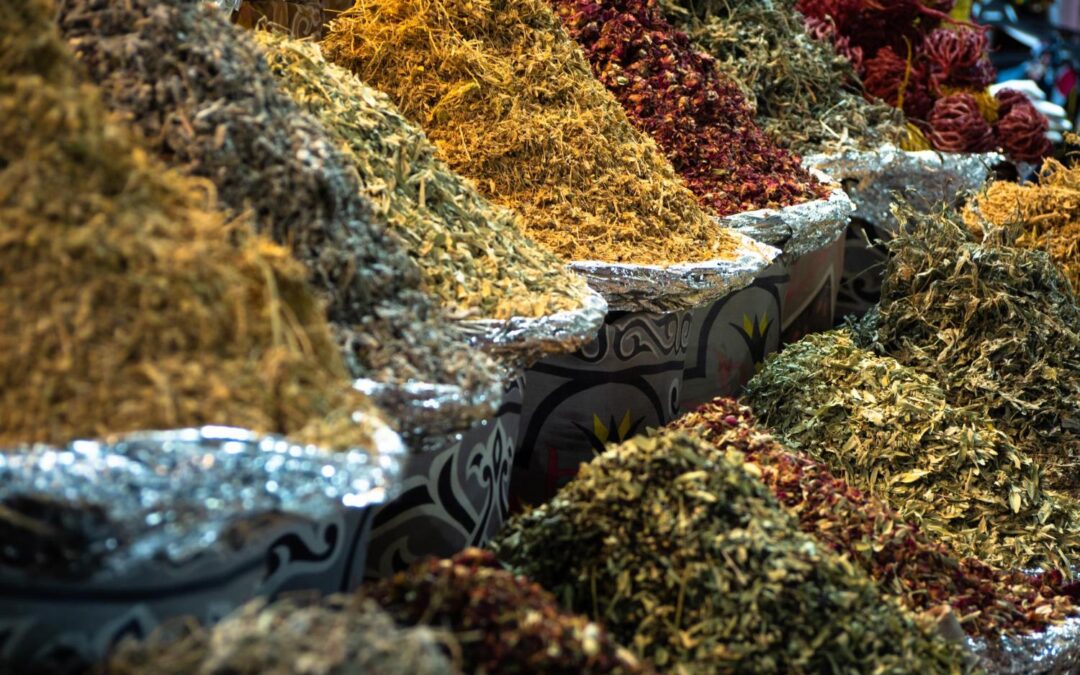
Herbs are no longer confined to kitchens; they’ve become essential in wellness, skincare, natural remedies, and even craft beverages. For businesses in these sectors, sourcing herbs at scale can make or break product quality.
But navigating suppliers isn’t always straightforward. When looking for wholesale herbs for sale, it’s vital to think beyond price tags and take a closer look at the details that influence freshness, reliability, and ultimately, customer trust.
Check Provenance and Certifications
Knowing where herbs come from is crucial. Reputable wholesalers are transparent about origin, farming practices, and certifications. Organic or pesticide-free credentials can add significant value, especially if your customers are health-conscious or environmentally aware.
Evaluate Freshness Standards
Dried herbs should retain strong aroma, colour, and texture, while fresh herbs must be delivered promptly to avoid wilting. Ask potential suppliers about harvesting schedules and storage methods. Vacuum sealing, controlled drying, and proper packaging help preserve potency.
Look for Range and Speciality Varieties
Don’t settle for the basics alone. A supplier offering not just parsley and basil but also rarer options such as lemon balm, echinacea, or native botanicals demonstrates both breadth and industry expertise. A diverse catalogue allows you to experiment and differentiate your products.
Assess Reliability of Supply
Stock inconsistency can cause significant business disruption. Ask wholesalers about their grower networks and contingency planning. Do they source from multiple regions? Can they guarantee consistent volumes throughout the year? A dependable partner minimises costly gaps in your supply chain.
Analyse Pricing Beyond Face Value
Low prices may be tempting, but they often hide hidden costs like shipping or minimum order requirements. A transparent wholesaler provides clear breakdowns, helping you calculate realistic margins. Remember, long-term affordability comes from balancing cost with consistency and quality.
Consider Ethical and Sustainable Practices
Consumers increasingly want reassurance that what they buy supports fair and responsible production. Partnering with suppliers who emphasise ethical farming, reduced packaging waste, and fair-trade practices enhances your brand image and aligns with evolving customer expectations.
Value Supplier Expertise
A trustworthy wholesaler offers more than just stock. Many act as industry guides, providing insights into seasonal trends, popular blends, or storage advice. Such knowledge-sharing is especially beneficial if you’re scaling up or diversifying your product line.
Finding quality wholesale herbs for sale is about building a supply chain that supports your business long term. By prioritising provenance, freshness, ethics, and supplier expertise, you’ll secure not only consistent herbs but also a stronger foundation for growth and customer loyalty.